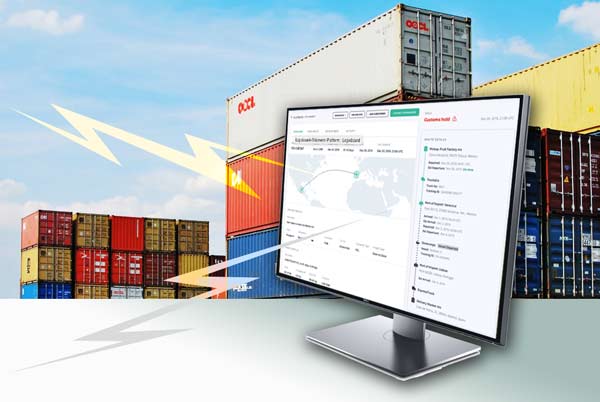
Freightclear is a digital customs brokerage service for importing freight into the United States. We make imports and customs clearance simple by offering a streamlined process for shipping, clearing and delivering your imports to the USA in one seamless transaction. Submit your next import shipment today.
Customs Clearance USA for importers of foreign manufactured products.
Importer Compliance
Customs compliance solutions for USA importers. Brokers on call to advise.
Freight Solutions
International shipping solutions in air and ocean freight . Get a quote today,.
Customs Bonds
Single entry and continuous bonds for USA importers. Apply today for savings.
Importer Workflows
Freightclear customs clearance workflows & apps simplify the process for U.S. Importers. Let our team design a solution for you
Customs Broker USA
Freightclear employs a staff of customs brokers and import experts dedicated to streamlining your air and ocean imports to the USA.
U.S. Import Agent
We make imports simple for foreign exporters and USA importers of record. Get volume discounts on frequent imports to the USA.
Customs Clearance in 3 Easy Steps
Getting quotes and service on customs clearance, compliance and last mile delivery is easy with Freightclear. Simply fill out our quote form and upload your documents. An agent will quickly respond with rates and info on your shipment. Our people friendly process blends great customer service with the latest tech to make importing…easy!
1. Fill out Quote Form
Enter your shipment details and upload your documents in our easy to use quote request form. This will generate a ticket# to reference your quote and pending shipment.
2. Agent Response
Our import agents will respond to your ticket with expert import rates and info on your pending customs clearance.
3. Clearance process
Freightclear sets up your importer profile, processes your customs documents and transmits your shipment entry to U.S. Customs
Streamline Your USA Imports With Freightclear Workflows
Quotes and Rates
Process Files & Documents
Transmit Entries to US Customs
Customs Clearance & Delivery
Freightclear is a licensed U.S. Customs Broker
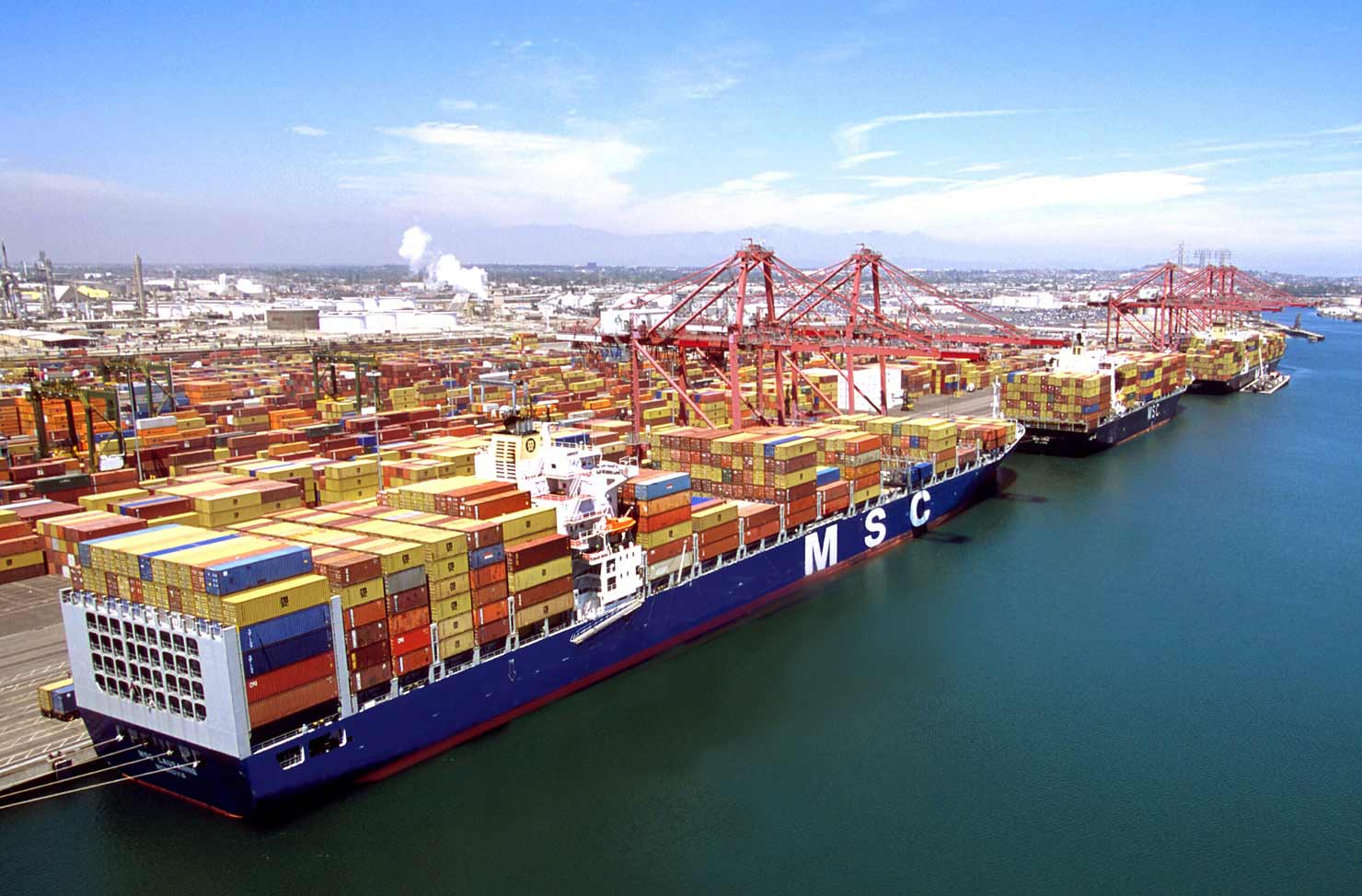
Freightclear, acting as your customs broker, enhances the free flow of imported goods though US sea ports and airports. We offer seamless customs clearance and delivery of all shipments en route to the USA while keeping your business in compliance with U.S. Customs. Our customs and import pro’s are on call to guide you through the importation process to the United States. Spend more time selling your products and less time worrying about logistics. Freightclear customs brokerage services and workflows are all the help you need.